
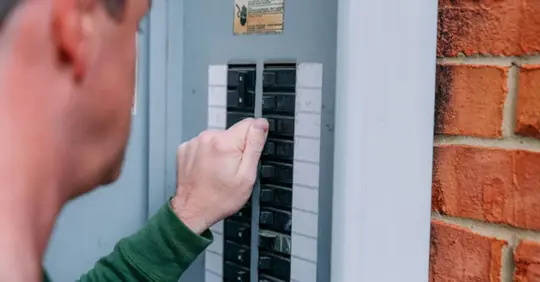
Electrical issues can be stressful, but understanding the basics of your home’s electrical system can save you time, money, and potential hazards. One of the most common frustrations homeowners face is a tripped circuit breaker. While a breaker trip may seem like a minor inconvenience, it’s actually a crucial safety mechanism designed to protect your home from overloads, short circuits, and other electrical hazards. Knowing why breakers trip, how to troubleshoot them safely, and when to call a professional can keep your home’s electrical system running smoothly and safely.
Understanding Circuit Breakers
What Circuit Breakers Do
Circuit breakers are essential for protecting your home’s electrical system. They automatically stop the flow of electricity when an overload or fault is detected, preventing potential damage to wiring, appliances, and even your home itself. Essentially, they act as a safeguard against electrical fires and other hazards.
To keep your breakers in top shape:
- Check for any signs of wear or damage.
- Ensure breakers are capable of handling your home’s electrical load.
- Schedule regular inspections with a licensed electrician.
Routine maintenance helps prevent minor electrical issues from escalating into dangerous situations, providing peace of mind and keeping your electrical system reliable. A properly maintained breaker panel not only protects your home but also ensures that sensitive electronics, like computers and home entertainment systems, are less likely to be damaged by electrical surges or fluctuations.
How Breakers Trip
Circuit breakers trip when the flow of electricity exceeds safe levels. This can happen in a few different ways:
- Thermal trips: Use a bimetallic strip that bends when overheated due to excess current. These handle gradual overloads.
- Magnetic trips: Use an electromagnetic coil to instantly detect sudden surges, like those caused by short circuits.
Understanding these mechanisms can help homeowners identify why a breaker might trip and respond appropriately. For example, frequent trips due to thermal overload might indicate that your home’s power demands have increased beyond the original design of your electrical system. On the other hand, trips caused by magnetic surge detection may suggest faulty wiring or malfunctioning appliances that could pose a fire hazard if left unresolved. By recognizing these signs, homeowners can take proactive measures before minor issues turn into costly repairs or dangerous conditions.
Types of Circuit Breakers
There are several types of circuit breakers, each designed for specific purposes:
- Single-pole breakers: Handle 120 volts, ideal for lights and standard outlets.
- Double-pole breakers: Handle 240 volts, used for high-demand appliances like dryers and water heaters.
- AFCI (Arc Fault Circuit Interrupters): Protect against electrical fires caused by arc faults.
- GFCI (Ground Fault Circuit Interrupters): Prevent shocks in areas with moisture, such as kitchens and bathrooms.
Selecting the right type of breaker is more than a technical detail—it’s an important decision for home safety. For instance, installing GFCI breakers in kitchens and bathrooms is crucial, as these areas are prone to water exposure. Similarly, AFCI breakers help prevent fires in living spaces where electrical arcing could go unnoticed. Understanding the specific purpose of each breaker helps ensure that your electrical system is properly protected and compliant with current safety standards.
Common Causes of Tripped Circuit Breakers
Overloaded Circuits
Overloading happens when too many devices draw power from a single circuit. Signs include:
- Dimming lights when appliances run simultaneously
- Buzzing sounds from outlets
- Burning smells
To prevent overloads:
- Distribute high-wattage appliances across multiple circuits
- Label breakers for easy identification
- Consider upgrading circuits if your electrical demand has increased
Overloaded circuits are one of the most common causes of breaker trips in homes that have grown to include more electronics or high-powered appliances than the original wiring was designed to handle. Upgrading circuits or redistributing the electrical load can prevent repeated trips, reduce wear on your electrical system, and increase overall safety. Professional electricians can assess your home’s current electrical needs and recommend upgrades that meet both safety requirements and modern energy demands.
Short Circuits and Ground Faults
- Short circuits: Occur when a hot wire touches another hot or neutral wire, causing a sudden surge of electricity. Look for burnt smells or damaged outlets.
- Ground faults: Happen when a hot wire touches a grounded surface or metal casing, often in wet areas. These can cause electric shocks.
Both require prompt attention. Persistent issues should be evaluated by a licensed electrician. Short circuits and ground faults not only trip breakers but can also cause permanent damage to appliances and wiring. Left unresolved, they increase the risk of fires or electrical shocks. Regular inspections and timely repairs are the most effective way to minimize these hazards and maintain a safe home environment.
Appliance Malfunctions
Faulty appliances can draw more power than a circuit can handle, causing trips. Common culprits include fridges, washing machines, and even small gadgets like hairdryers. To address this:
- Plug appliances into outlets rated for their power needs
- Perform regular maintenance
- Check for manufacturer recalls
Environmental factors, such as humidity, dust, and wear and tear, can accelerate appliance degradation, making them more likely to strain your circuits. A proactive approach—regular servicing, careful usage, and timely replacement of older devices—can reduce tripped breakers and ensure consistent electrical performance throughout your home.
Troubleshooting Tripped Circuit Breakers
Safety First
Before touching your breaker panel:
- Unplug all connected appliances
- Make sure the area is dry
- Use insulated gloves and shoes
- Keep a flashlight nearby
Familiarize yourself with which breakers control specific areas of your home for more efficient troubleshooting. Even when following safety guidelines, electrical work carries inherent risks. Knowing when to stop and call a professional is just as important as knowing how to reset a breaker.
Step-by-Step Guide
- Identify the tripped breaker (usually slightly out of line with others).
- Reset it by switching it fully to “off” and then back to “on.”
- If it trips immediately, unplug appliances and reconnect them one at a time to find the culprit.
Documenting your steps can help you identify recurring issues. If the breaker continues to trip despite thorough testing, it may indicate a wiring problem or a malfunctioning breaker that requires professional intervention. Licensed electricians can perform in-depth diagnostics, test the integrity of your system, and provide solutions that prevent future electrical issues.
When to Call a Professional
Seek professional help if:
- Breakers trip repeatedly without a clear cause
- You notice burning smells, sparks, or discolored outlets
- There’s visible damage to the breaker panel
Professional electricians have the tools and expertise to pinpoint problems that may not be visible to the untrained eye. Attempting complex repairs without proper knowledge can increase the risk of electrical shock, damage, or fire. By consulting a professional early, you can protect both your home and your family while ensuring that your electrical system meets current safety standards.
Preventing Tripped Breakers
Regular Maintenance
Routine inspections keep your electrical system safe and efficient. Steps include:
- Checking circuit integrity and grounding
- Testing breaker performance
- Scheduling professional inspections once or twice a year
Maintenance not only prevents trips but also extends the lifespan of your system and improves energy efficiency. By addressing minor issues before they escalate, homeowners can avoid costly repairs, minimize downtime, and maintain uninterrupted power for critical appliances and systems.
Upgrading Panels and Wiring
Older homes or outdated systems may struggle with modern electrical demands, leading to frequent trips. Signs an upgrade may be needed:
- Frequent breaker trips
- Flickering lights
- Malfunctioning appliances
Panel and wiring upgrades can include installing AFCI or GFCI breakers and integrating smart technology to monitor usage and detect potential problems. Modernizing your electrical system ensures it can safely handle today’s high-demand devices while providing the flexibility to add more in the future without risk of overload.
Smart Home Technology
Smart devices can monitor energy use, detect faults, and even shut down circuits automatically. Features include:
- Real-time energy consumption tracking
- Fault alerts via smartphone
- Automatic circuit shutdowns
These systems allow homeowners to actively manage their electrical load, prevent accidents, and improve energy efficiency. Smart monitoring can alert you to a potential problem before it causes a trip, giving you time to address the issue safely and prevent damage.
Energy Efficiency and Cost Savings
Properly functioning breakers and electrical systems contribute to energy efficiency, lowering utility bills. Tips include:
- Upgrading to LED lighting
- Using programmable thermostats
- Scheduling regular professional inspections
A well-maintained electrical system maximizes energy efficiency by reducing unnecessary power consumption, improving the performance of appliances, and helping homeowners make informed decisions about upgrades and energy-saving measures.
DIY vs. Professional Services
While small tasks like resetting a breaker may be safe for homeowners, more complex electrical work should always be handled by a professional. Safety is paramount, and licensed electricians ensure work is up to code and risk-free. Professional services provide peace of mind, prevent potential hazards, and often come with warranties, protecting your investment and your home.
Understanding Electrical Terminology
Knowing key terms empowers homeowners to make informed decisions:
- Ground fault
- Circuit load
- Ampere
- GFCI
This knowledge improves communication with electricians and helps homeowners actively manage their systems, from inspections to upgrades, ensuring long-term safety and efficiency.
Stop Breakers from Tripping ASAP with Gator Electric and Communications, Inc.
Gator Electric and Communications, Inc. offers comprehensive solutions to keep your home’s electrical system safe, efficient, and reliable. Offering circuit breaker services and panel upgrades, our team provides solutions tailored to your home’s needs. Contact us today to ensure your electrical system is working safely and efficiently.
Call Gator Electric and Communications, Inc. now at (561) 823-6387 or send us a message online.